Lindisfarne
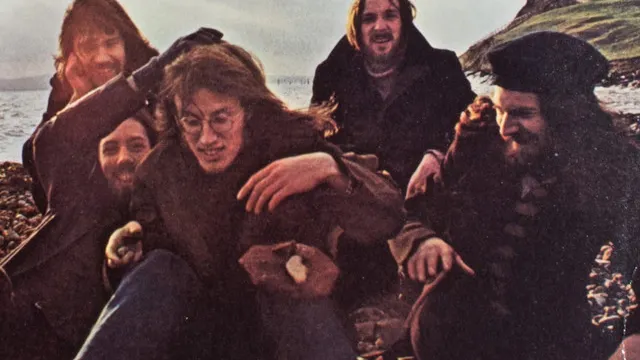
Formed in Newcastle upon Tyne in the late 1960s, initially under the name Brethren before adopting the name Lindisfarne, the band is part of an English folk rock where vocal harmonies, acoustic and electric guitars, mandolin, violin and a songwriting rooted in the northeast of England intersect. The classic lineup brought together Alan Hull, Ray Jackson, Simon Cowe, Rod Clements and Ray Laidlaw. Lindisfarne attracted attention in the early 1970s with Nicely Out of Tune in 1970, then Fog on the Tyne in 1971 and Dingly Dell in 1972, records that established a sound blending British folk, melodic rock and country touches. After a first personnel change in 1973 and a breakup in 1975, Lindisfarne reformed, returned to the stage and released Back and Fourth in 1978, followed notably by The News in 1979 and Sleepless Nights in 1982. Over decades, the band moved from a formula heavily marked by folk strings to a broader ensemble also integrating saxophone, flute or accordion, without breaking with its acoustic foundation. The death of Alan Hull in 1995 marked a turning point, but Lindisfarne continued with new configurations and albums like Here Comes the Neighbourhood in 1998 and Promenade in 2002. Since the 2010s, Lindisfarne has continued its live activity around historic members and musicians from the Newcastle scene.
Upcoming events 6
Past events 1
| Sep 12 |
|